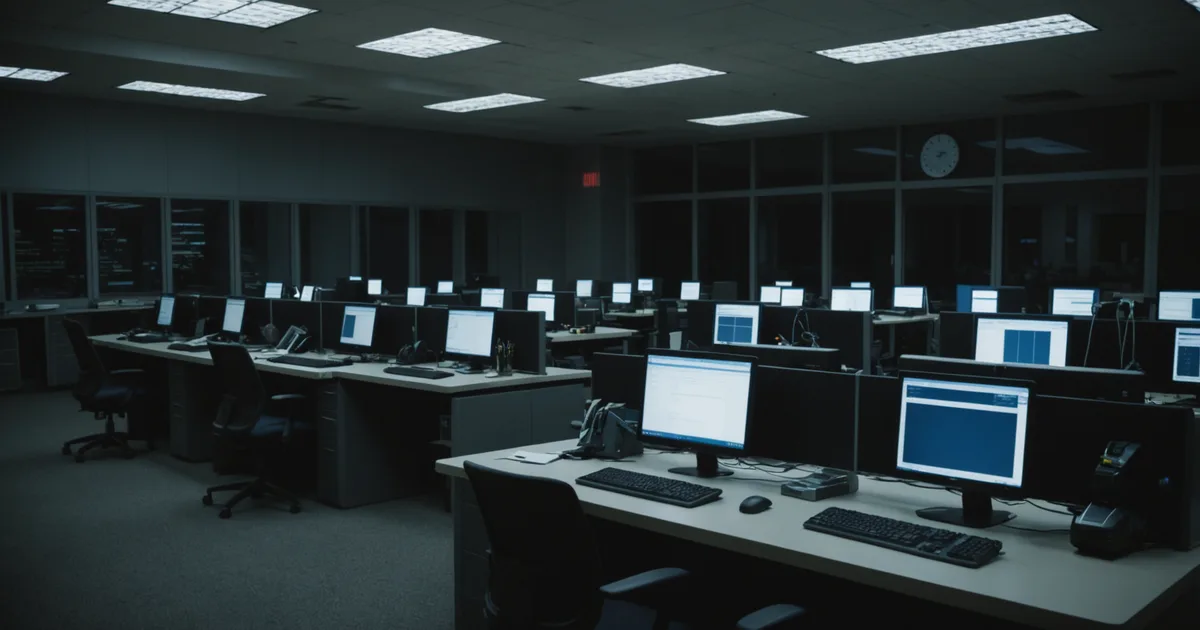
There is a photograph in the break room of a mid-size regional newspaper that tells the whole story. It was taken in 2011, when the sports desk occupied a full row of workstations: six reporters, two editors, a photo desk coordinator. By 2019, that same row held two people. By late 2024, one. The photograph is still there. Nobody has taken it down.
The sports desk got hit hardest by the last fifteen years of local media contraction, and the reasons were rarely about performance. Sports coverage was categorized as discretionary. Advertising that once funded prep sports sections moved to digital platforms that did not fund local journalism at all. When cuts came, sports was first because it was easier to justify cutting "entertainment" than hard news. The logic was clean on a spreadsheet and wrong in practice. Readers noticed immediately.
What Was Lost and Why It Matters
High school athletes whose games went uncovered did not stop playing. Their families still showed up. Their communities still cared. What changed was that the game happened and nothing documented it. No recap, no box score, no quote from the kid who scored the winning goal. That coverage had existed for decades before the cuts, and its absence was felt as a specific loss, not a vague sense of "local news declining."
This is distinct from other newsroom losses. When a city hall reporter disappears, the coverage gap is real but diffuse: accountability erodes gradually, without a specific visible moment of absence. When a sports reporter disappears, the gap is concrete every single Friday night. There were games. Nobody wrote about them. Everyone who attended knows.
The community response varied, but the pattern held: sports-focused newsletters launched by former staff, parent-run social media accounts for prep teams, semi-volunteer athletics blogs that covered games for free until the burnout set in. These efforts filled some of the gap but could not be sustained at scale. One person covering thirty high school football games on volunteer time is not a newsroom. It is a person running themselves into the ground.
The Staffing Math That Cannot Be Hired Around
The instinct when coverage drops is to hire. That instinct runs into the economics. A regional sports reporter in a mid-size market earns somewhere in the range of $38,000 to $52,000 per year, before benefits and overhead. For a publication generating $400,000 in annual revenue, adding even one reporter is a major commitment. Adding three, which is what full Friday night coverage in a typical metro area would require, is not possible.
Freelance stringers are the traditional fallback. Pay $50 to $80 per game for a high school football recap. Cover thirty games over a ten-week season and you have spent between $1,500 and $2,400 on one sport, one season, for games that each take one to two hours to write up. That math multiplies fast when you add basketball, wrestling, soccer, baseball, and the fifteen other sports that actually fill a school year.
None of this is a critique of the people making these decisions. The math does not work with the revenue structures that currently exist for local sports media. The staffing problem is structural, not a failure of editorial commitment.
Why Technology Landed Late for Sports
Digital transformation hit local newsrooms at different speeds by beat. CMS systems, paywall tools, email newsletter platforms, and analytics dashboards all arrived first for general news and lifestyle sections. Sports was slower to adopt, partly because sports coverage remained more event-driven and less amenable to the kind of evergreen content pipelines that digital tools were designed for.
Automated content generation existed for major league sports years before it reached regional or prep coverage. The major wire services and large national sports media operations had the engineering resources to build bespoke tools. Regional outlets did not. The tools that existed were priced for large newsrooms with dedicated data teams. A two-person sports desk did not have a data team. It had two people and whatever they could figure out on their own.
The first genuine automation tools built for under-resourced sports desks started appearing in late 2024 and into 2025. The gap between when the problem became acute (around 2019 to 2021) and when usable tools arrived was roughly five years. During those five years, communities continued to lose coverage.
What "Covering Every Game" Actually Requires
The phrase gets used abstractly, but in practice it means: someone attends or monitors every game, collects the box score and key plays, interviews at least one source, writes 300 to 600 words, edits them, and publishes before readers have gone to sleep. For a high school football program playing a Friday night game that ends at 10:15 PM, this means a published recap by 11:30 PM at the latest, and midnight is already pushing it for a school-night audience.
This is genuinely hard work done under deadline pressure with thin margins for error. The reporter who covered the game is also the person who has to write it. There is no rewrite desk, no wire editor, no second pair of eyes. When that person calls in sick, or is covering the basketball game across town that started at the same time, the football game goes uncovered.
We built PressBox specifically around this constraint. Not the constraint of a big media group trying to scale content production, but the constraint of two people who need to cover three simultaneous games on a Tuesday night in November and cannot physically be in three places at once. The solution is not to replace the reporter covering the game they can attend. It is to generate a solid first draft from the structured score data for the games they cannot.
The Coverage Gap Is an Opportunity, Not Just a Crisis
There are more than 19,000 high school sports programs in the United States. The number of local publications with the staffing to cover more than a fraction of those programs is substantially smaller. That gap has widened significantly over the past decade. It represents both a genuine loss for communities and a genuine opportunity for publishers who can find a sustainable way to fill it.
Readers who grew up with local sports coverage will pay for it if it is good and consistent. The subscription data from regional sports newsletters that launched during the coverage drought suggests appetite is not the problem. Production is. Getting a publishable recap out by 11:30 PM every Friday requires a workflow that does not depend on having a reporter available to write from scratch at 10:30 PM on a regular basis.
To be direct about what PressBox does not solve: it does not replace the reporter at the game. It does not conduct interviews, observe crowd dynamics, capture the context that only someone present can provide. The best recap is still written by someone who was there. What we address is the gap between "nobody was there" and "nobody covered it." A data-driven draft is not the same as a game story written by a reporter who talked to the coach. But it is substantially better than no story at all, which is what most of these games get today.
Rebuilding the Sports Desk for Current Conditions
The newsrooms we talk to regularly are not looking to recreate 2011. They are not trying to re-staff to six reporters. They want to cover the community they serve with the resources they actually have. That means finding sustainable workflows that a two-person team can operate without burning out, and that produce consistent enough coverage to rebuild reader trust.
The sports desk that got left behind did not fail. It got cut. There is a difference, and it matters for what comes next. The communities those desks served did not stop wanting local sports coverage. The demand held; the supply collapsed. Closing that gap is a real business problem with real solutions, and the outlets that figure it out first will have a substantial advantage in rebuilding the reader relationships that sustained local sports media for decades before the cuts arrived.
That photograph in the break room of the 2011 sports desk does not have to be the last chapter. It can be the before picture. What comes after depends on what desks are willing to build now, with the tools that finally exist to build it.